 Dadanaut

Rauhnacht, as told by a Grimm
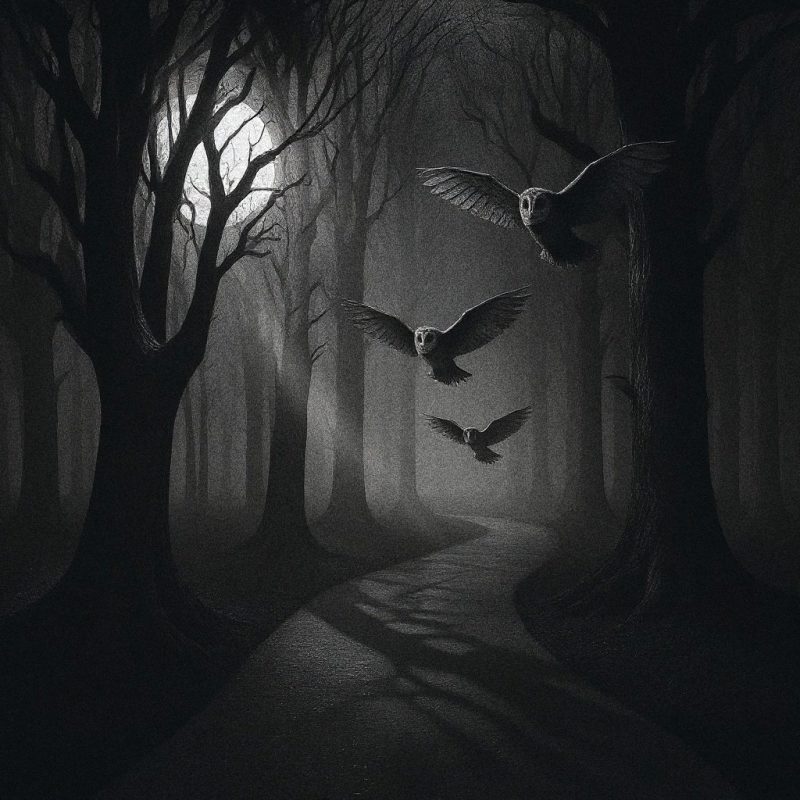
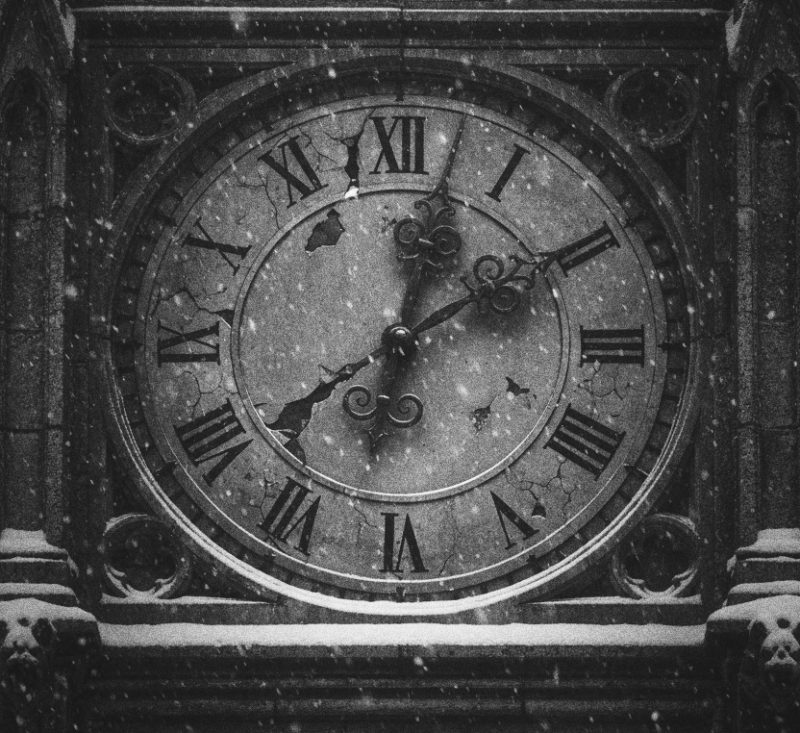
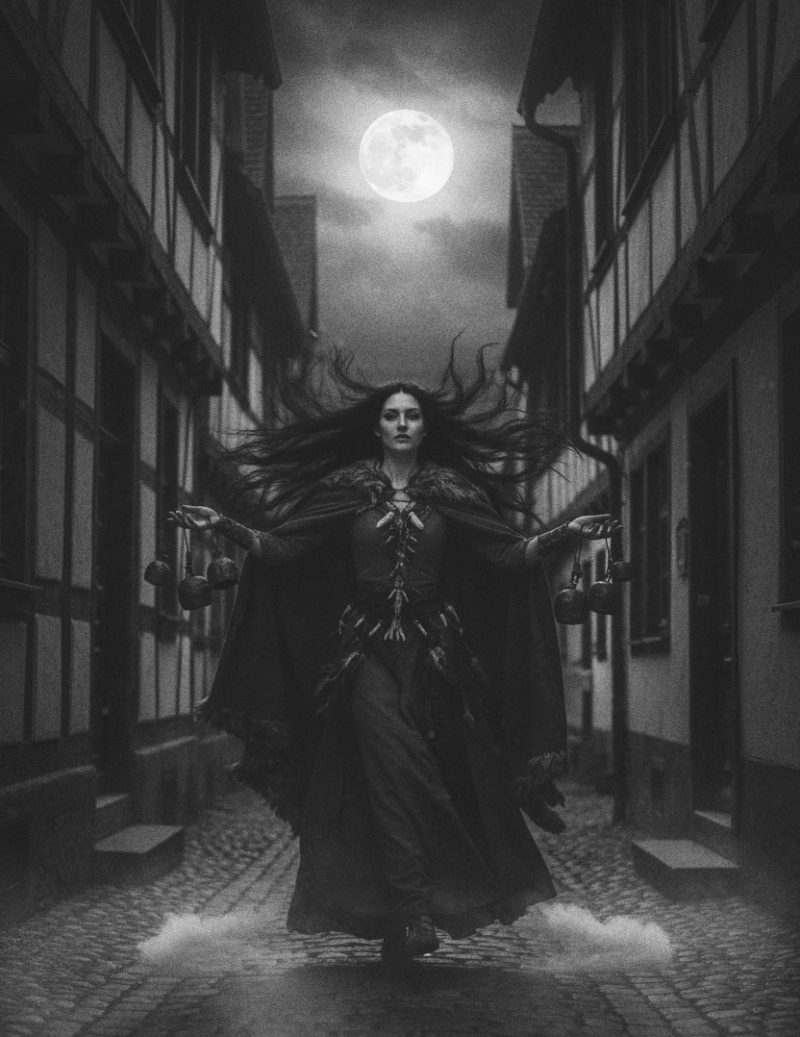
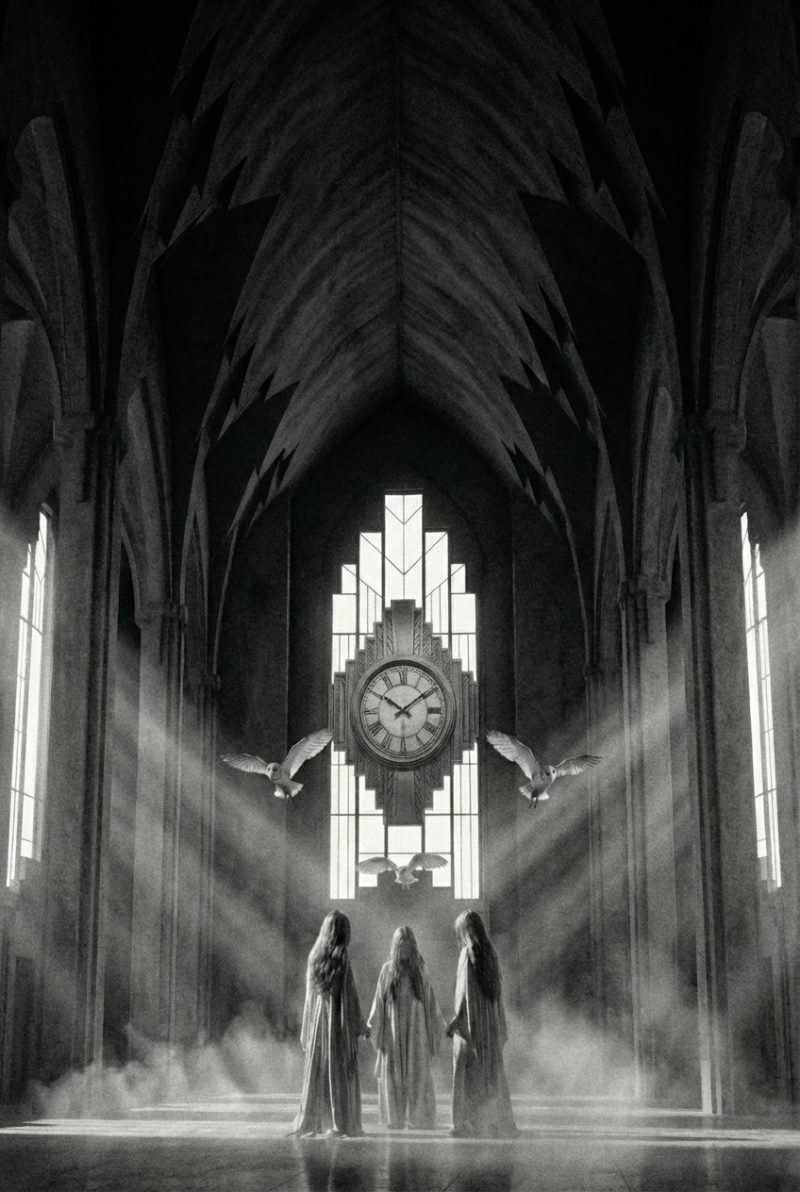
In the deep midwinter, when the year holds its breath and the winds comb the forests like a grey-bearded barber, there comes the Rauhnacht. It is a liminal span, neither old year nor new, when hearth-embers glow like watchful eyes and folk dare not whistle after dusk, lest something whistles back. Cattle are given a braid of bread, doors are chalked against the wandering host, and the house is swept sunwise so no ill-meaning sprite may nest in a corner. Dreams in these nights are said to step over the threshold of the morrow, and what one sees in sleep may thread the loom of fate. Best, then, to keep a clean conscience, a steady candle, and a sprig of juniper to hand – for in the Rauhnacht the world is thinner than paper, and every tale is almost true.
Release: somewhen in 2026 …
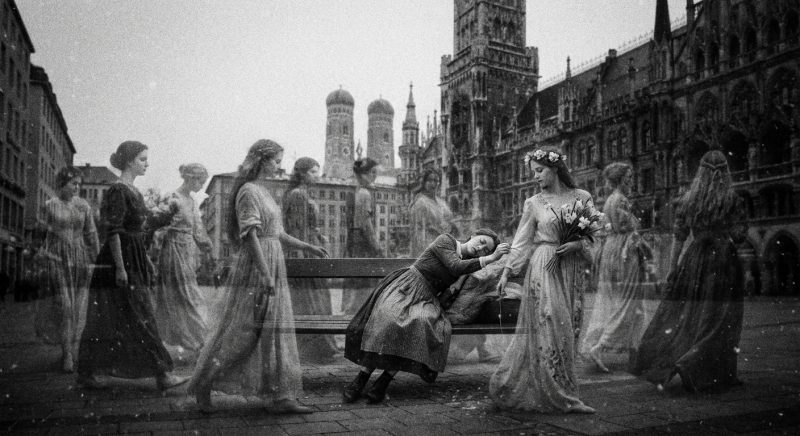
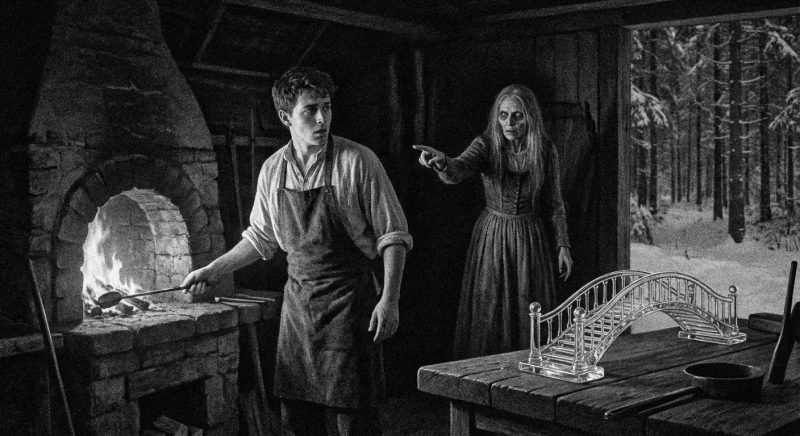
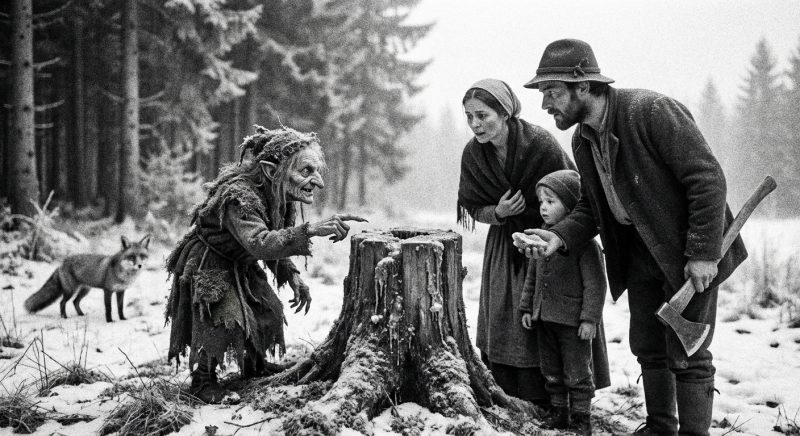
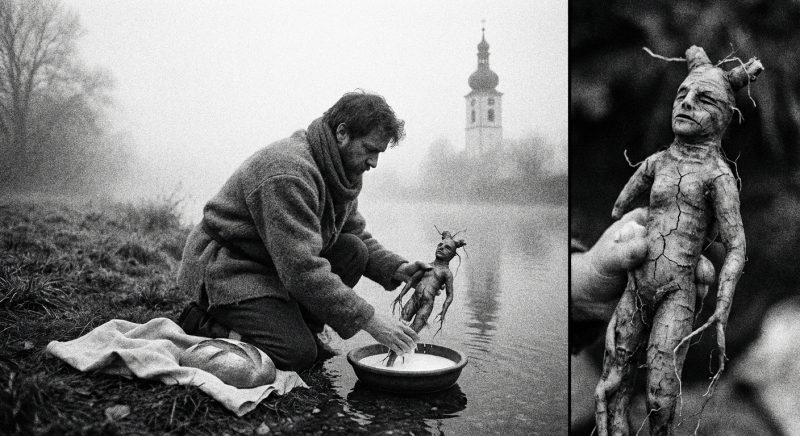
Rauhnächte are the 12 magical nights between Christmas (Dec. 24/25) and Epiphany (Jan. 6). The traditional sayings and beliefs from Southern Germany essentially convey:
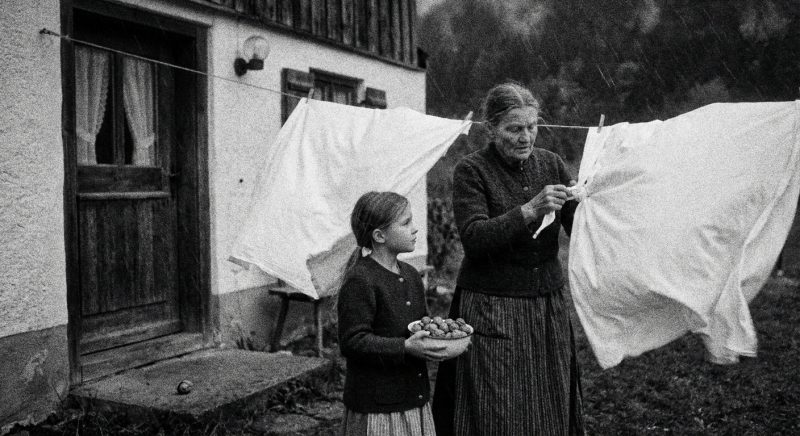
- “Don’t hang laundry out” → The Wild Hunt (spirits of the dead led by Wotan) might get tangled in it and haunt your home.
- “Smoke out your house” → Burning incense (frankincense, juniper) drives away evil spirits — this is even the origin of the name (Rauch = smoke).
- “Keep your home clean and orderly” → Demons settle in chaos; tidiness keeps them away.
- “Don’t work” → These are sacred, in-between days outside normal time — rest and reflection are called for.
- “Animals can speak at midnight on Christmas Eve” → But if you hear them, you’ll die — so don’t listen!
- “Leave food out for passing spirits” → Ensures a good harvest and keeps Wotan satisfied.
- “Each night predicts a month of the coming year” → Dreams and weather during these nights are omens.
In short: the sayings are about protection from evil spirits, purification, and divination – a pagan Germanic tradition of navigating the eerie, liminal time between the old and new year.
Sharing welcome
The music and artwork of “Rauhnacht” are licensed under the Creative Commons license CC BY-NC 4.0 (Attribution-NonCommercial).
You may use them in your videos or podcasts, for example – please credit “Music: Dadanaut (dadanaut.de)”.